
Fitness Tracking Apps: Optimizing Your Health and Performance
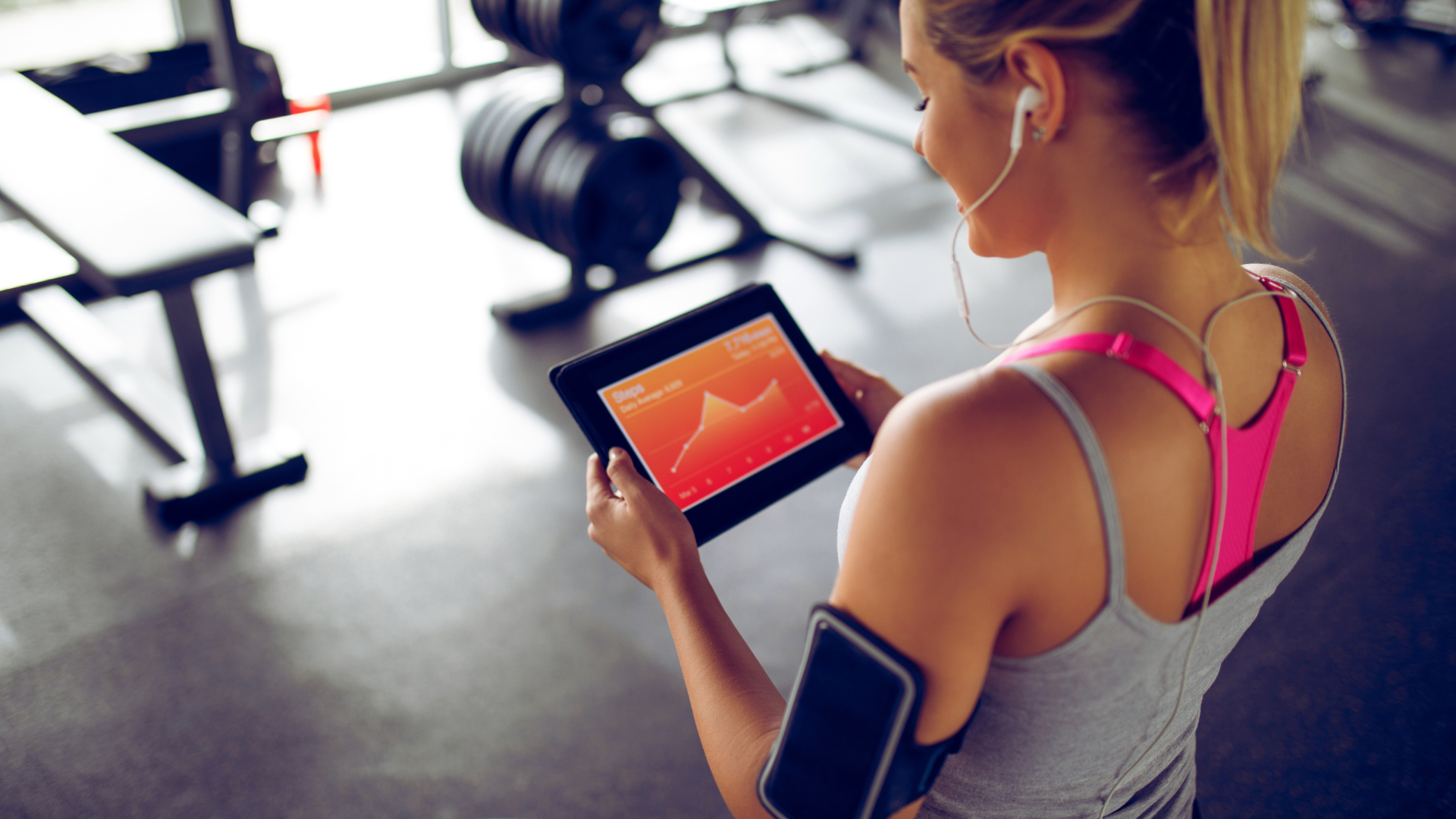
Fitness tracking apps have gained immense popularity as essential tools for anyone looking to enhance their health and wellness routines. These applications provide users with insights into various activities such as running, cycling, strength training, yoga, and HIIT workouts. They empower individuals to monitor progress, set goals, and maintain motivation by offering personalized feedback.
In addition to fitness activities, many apps incorporate features for tracking nutrition and mindfulness practices such as meditation. This holistic approach enables users to cultivate a well-rounded lifestyle, balancing physical activity with proper nutrition and mental wellness. By gathering data on individual performance, these apps help users make informed decisions to optimize their routines.
For those who practice Pilates or enjoy diverse workout regimes, fitness-tracking apps offer flexibility and adaptability. They cater to various preferences and skill levels while promoting a sense of community among users. With the right app, anyone can take significant strides toward achieving their fitness goals.
Overview of Fitness Tracking Apps
Fitness tracking apps have transformed how individuals manage their health and activity levels. These applications integrate various features that facilitate workout tracking, nutrition tracking, and sleep monitoring, often enhancing the user experience through devices such as smartwatches and fitness bands.
Evolution of Fitness Apps
The evolution of fitness apps began with basic pedometers and step counters. Over the years, features expanded to include workout tracking and nutrition monitoring.
Fitness apps now offer functionalities such as integration with smartwatches like the Apple Watch or devices running Wear OS.
Many popular apps, like Runkeeper and MyFitnessPal, emerged, providing users with tailored workout routines and detailed nutritional information. This blend of technology has made fitness data more accessible, allowing users to review progress and set fitness goals effectively.
Key Features of Top Fitness Apps
Top fitness applications share specific features that enhance their usability. Workout tracking capabilities allow users to log exercises, and monitor duration, intensity, and calories burned.
Nutrition tracking is pivotal as well, enabling users to log daily meals and analyze their dietary intake. Many apps feature heart points tracking for cardio workouts, incentivizing users to achieve daily activity targets.
Sleep tracking is another essential feature, helping users understand sleep patterns and improve rest quality.
Privacy concerns are increasingly relevant; top apps emphasize secure data handling and user consent. Effective visualization through charts and graphs aids in comprehending progress, making these apps valuable tools for managing health and fitness.
Popular Fitness Apps and Their Offerings
Fitness apps cater to various workout preferences, focusing on diverse activities from running and cycling to comprehensive fitness platforms. This section highlights popular apps and what they provide for users.
Running and Cycling Favorites
Strava is a leading app for runners and cyclists. It offers features like GPS tracking, route discovery, and performance analysis. Users can compete with friends and join challenges to stay motivated.
Runkeeper is another favorite among runners. It provides customizable training plans and audio coaching to help meet fitness goals. Users can log their runs easily and track progress over time.
Garmin Connect enhances the experience for Garmin device users. It syncs with wearables to provide in-depth analytics on workouts. Cyclists benefit from route mapping and tracking features as well.
Comprehensive Fitness Platforms
Apple Fitness+ combines a variety of workout types, from strength training to yoga. It features guided workouts led by expert trainers, making it suitable for all fitness levels. Integration with the Apple Watch allows for real-time tracking of metrics.
Peloton App extends the brand’s cycling roots to a wider audience. It offers a range of classes, including strength training and yoga. Users can connect with a community for motivation and accountability.
Centr, developed by Chris Hemsworth, provides users with tailored workout plans and meal guides. Its focus on comprehensive wellness includes guided workouts, meditation, and nutrition tips for balanced living.
Focused Workout Apps
Nike Training Club is ideal for those looking for targeted workout routines. It includes strength, endurance, and mobility workouts tailored to user preferences. The app also offers free workout plans suitable for beginners and advanced athletes alike.
JEFIT is known for its extensive library of exercises, allowing users to create custom workout plans. The app includes tracking tools and community features for motivation.
Strong focuses on weightlifting and strength training. Users can log sets, reps, and rest times effortlessly. The app’s analytics help track progress and optimize workout routines.
Mindfulness and Recovery
Calm supports mental well-being with a variety of meditation and mindfulness exercises. It improves users’ focus and emotional health. Its guided sessions cover topics from stress reduction to sleep improvement.
Headspace offers mindfulness techniques alongside fitness routines. Users benefit from yoga classes and recovery sessions designed for post-workout relaxation.
These apps collectively provide the tools necessary for improving physical fitness while also considering mental well-being, fostering a holistic approach to health.
Integrations and Compatibility
Fitness-tracking apps often enhance their functionality through integrations and compatibility with various devices and service ecosystems. This capability is essential for users seeking to track their health metrics accurately and comprehensively.
Smartwatch and Wearable Syncing
Many fitness-tracking apps offer seamless synchronization with smartwatches and wearables. The Apple Watch, for instance, integrates with Apple Health, allowing users to monitor heart health and other fitness metrics.
Apps compatible with Wear OS provide similar functionality for Android users. Devices from brands like Garmin allow data syncing with Garmin Connect, where users can track workouts and performances efficiently.
This interoperability ensures that users can access their fitness data conveniently, regardless of the device they prefer to use. The ability to sync with multiple platforms enhances the app’s utility significantly.
Beyond standard integrations, advancements in wearable technology tend to refine how devices process and analyze biometric data. For example, websites like www.theneuralcloud.com often focus on enhancing ECG analysis through neural networks, which could improve signal clarity and provide more accurate health insights.
Consequently, these advancements in wearable technology are likely to further enhance the user experience by providing seamless access to comprehensive health data across different devices and platforms.
Service and App Ecosystems
Fitness-tracking apps frequently connect with broader service ecosystems. For example, Google Fit acts as a central hub for fitness data, integrating with various applications, including Strava for activity tracking.
Such integrations allow users to consolidate data from different sources, providing a more rounded view of their fitness journey. This data unification can include metrics from fitness wearables, mobile apps, and other health services.
Apps that work within these ecosystems benefit users by enhancing data accuracy and providing insights through a single interface. It simplifies the user experience by minimizing the need for multiple apps to track fitness progress.
The Importance of Privacy and Data Security
Fitness tracking apps collect a significant amount of personal information. This data often includes sensitive details such as health metrics, location, and exercise habits.
Privacy concerns arise when users are unaware of how their information is stored, shared, or sold. Users should understand that third-party services may access their data, increasing the risk of exposure.
Ensuring data security is crucial for maintaining trust. Companies must implement robust measures to protect information. This can include:
- Data encryption: Safeguards data during transmission.
- Access controls: Limits who can view or modify user information.
- Regular security audits: Identifies vulnerabilities and addresses them timely.
Users should read the privacy policies of fitness-tracking apps to understand their data practices. They need to know:
- What data is collected?
- How it’s used.
- Whether it is shared with third parties.
Taking steps to protect personal information is essential. Users can adjust privacy settings and limit the data shared with apps to enhance their security posture.
In today’s digital landscape, prioritizing privacy and security protects both the individual and the integrity of their health data.